Highlights Of The Program
2 days business program:
Learn from real-world case studies by industry leaders.
SHOWCASING INNOVATION:
Discover the latest technology and techniques from across the industry.
leaders talk:
Hear from top-level experts about how to stay ahead in a fast-changing industry.
MULTIPLE STREAMS:
A business program that is multi-disciplinary, giving you a broad view of the industry.
SMART TECHNOLOGIES:
Explore the latest smart and AI-driven solutions, and see how they can be used in your business.
roundtable discussion:
Join talks with industry peers. Share ideas, make connections, and find new partners.
Program 2026
DAY 1 :
MONDAY, 29 JUNE 2026
08:00 - 08:50
REGISTRATION AND MORNING REFRESHMENTS
08:50 - 09:00
OPENING ADDRESS
09:00 - 09:25
SUSTAINABILITY OR COMPLIANCE? HOSPITALS DARE TO ASK: CAN WE REPROCESS MEDICAL DEVICES?


Caroline De Mooij
Rijnstate
- Balancing hospital sustainability goals with MDR Article 17 requirements for single-use reprocessing
- Weighing operational costs and feasibility as hospitals question full-compliance pathways
- Exploring legal and safe alternatives for reprocessing non-critical devices under sustainable models
09:25 - 09:30
Q&A SESSION ON MDR COMPLIANCE AND SUSTAINABLE DEVICE REUSE
09:30 - 09:55
CHALLENGING CONVENTIONAL WISDOM: A COMPARATIVE STUDY BETWEEN NON-PLASMA AND PLASMA-ASSISTED METHODS IN VH2O2 STERILISATION
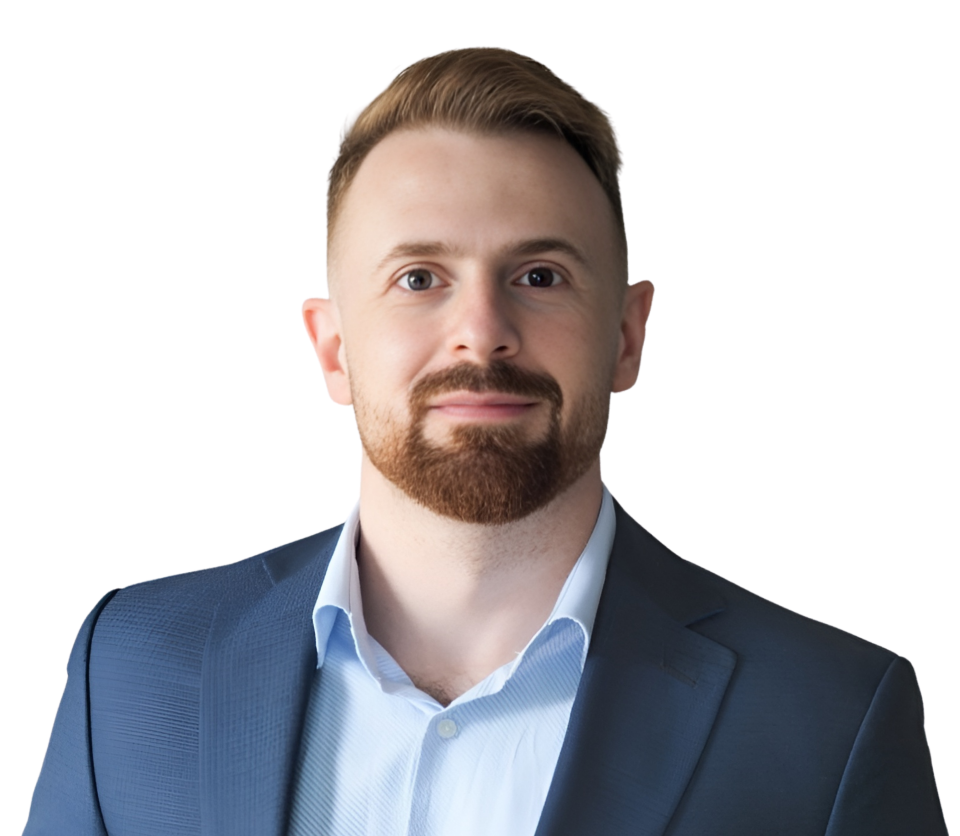

Can Ahiska
Getinge
- A comparative study between non-plasma and plasma-assisted methods in VH2O2 sterilisation
- Verifying VH2O2 removal and load temperature patterns between plasma and non-plasma low-temperature methods
- Evaluating how chamber architecture and initial H2O2 concentration influence sterilant load distribution
09:55 - 10:00
Q&A SESSION ON PLASMA VS. NON-PLASMA STERILISATION PERFORMANCE
10:00 - 10:25
QUALITY FIRST: CONVEYOR AUTOMATION AND DOSIMETRY IN RADIATION STERILISATION


Dirk Voessing
MSB Maschinen- & Stahlbau GmbH & Co. KG
- Ensuring dose reproducibility through conveyor automation and precise product positioning
- Facilitating traceability and GMP compliance with automated dosimeter handling and batch-linked data
- Supporting validation and uptime with mechanically robust, audit-ready sterilisation systems
10:25 - 10:30
Q&A SESSION ON RADIATION STERILISATION, AUTOMATION, AND QUALITY CONTROL
10:30 - 11:00
MORNING COFFEE BREAK IN THE EXHIBIT AREA
SPONSORED BY DYFRND
11:00 - 11:30
PANEL DISCUSSION ON OPTIMISING STERILISATION PRACTICES IN HEALTHCARE ORGANISATIONS





- Examining regulatory pathways and fast-track options for innovative and eco-friendly sterilisation methods
- Contrasting EtO alternatives across regulatory pathways, material compatibility, and broader clinical applicability
- Benchmarking risk-based validation against traditional methods and their implications for patient safety
- Charting practical pathways for SMEs to adopt alternative sterilisation without compromising safety or quality
Margot Vandeputte | Trevi NV | Moderator
Frank De Smedt | DyFrNd
Emily Lorcheim | ClorDiSys Solutions
Bobby Leigh | Bio Products Validation Ltd.
Enrico Allegra | Test Labs
11:30 - 11:55
STERILISATION EXPERT VERSUS PRODUCTION MANAGER: THE DUTCH MODEL
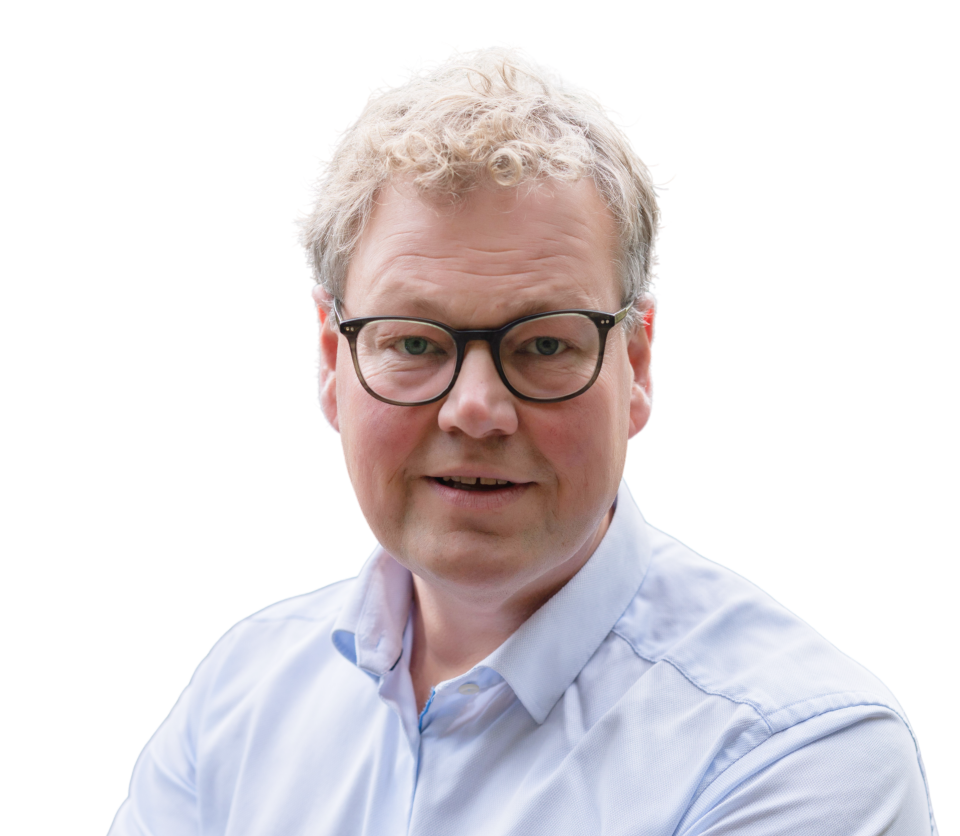

Tom Pereboom
Amsterdam UMC
- Differentiating the CSSD manager and sterilisation expert roles within the Dutch governance model
- Grounding the dual-role concept in practical field experiences from Dutch sterilisation departments
- Weighing patient, surgeon, and management perspectives on responsibility separation in sterile services
11:55 - 12:00
Q&A SESSION ON CSSD ROLE SEPARATION AND THE DUTCH STERILISATION MODEL
12:00 - 12:25
THE PARADIGM SHIFT IN STERILISATION: SCALABLE NITRIC OXIDE SYSTEM


Layne Bond
Sterile State
- Investigating nitric oxide as a novel, self-sterilising packaging and medical device solution
- Highlighting broad material compatibility, including medical polymers and human tissue
- Replacing ethylene oxide with a scalable NO-based gas sterilisation alternative
12:25 - 12:30
Q&A SESSION ON NITRIC OXIDE STERILISATION TECHNOLOGY
12:30 - 13:30
NETWORKING LUNCH AND VISITING THE STERILISATION EXHIBITION
13:30 - 13:55
INSIGHTS FROM VALIDATION TESTING: COMMON CHALLENGES IN CLEANING AND DISINFECTION VALIDATIONS AND HOW THEY ARE REFLECTED IN THE IFU


Katleen Peymen
Nelson Labs
- Drawing from validation experience to understand how certain design features or materials require additional attention
- Identifying challenges during validations not visible to users but reflected in IFUs
13:55 - 14:00
Q&A SESSION ON CLEANING AND DISINFECTION VALIDATION FOR REUSABLE INSTRUMENTS
14:00 - 14:25
CONTINUOUS EtO MONITORING AND AIRFLOW MANAGEMENT IN STERILISATION FACILITIES
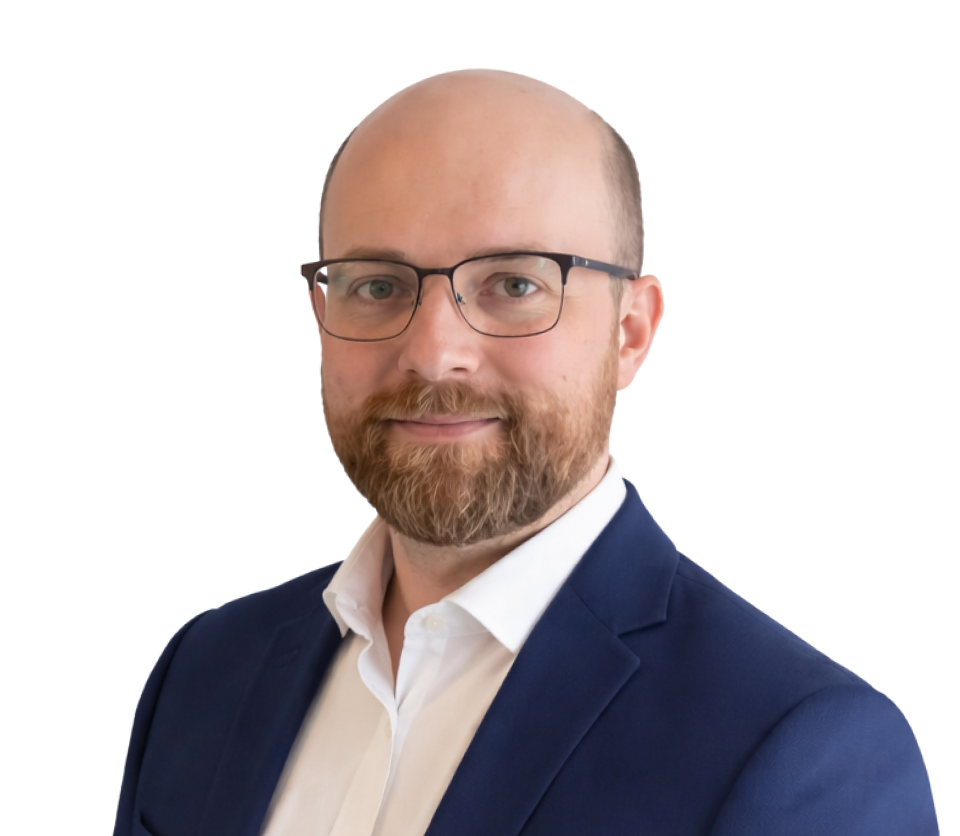

Josh Childers
Clean Air Engineering
- Decoding US EPA regulatory shifts and their ripple effects on global sterilisation compliance standards
- Quantifying EtO migration patterns through continuous air monitoring to strengthen facility containment
- Reviewing the operational impact of HVAC systems and make-up air units on safety monitoring programmes
14:25 - 14:30
Q&A SESSION ON EtO EMISSIONS CONTROL AND FACILITY SAFETY
14:30 - 14:55
INFECTION PREVENTION IN CARDIAC SURGERY: STERILISATION OF PERFUSION CIRCUITS AND EQUIPMENT
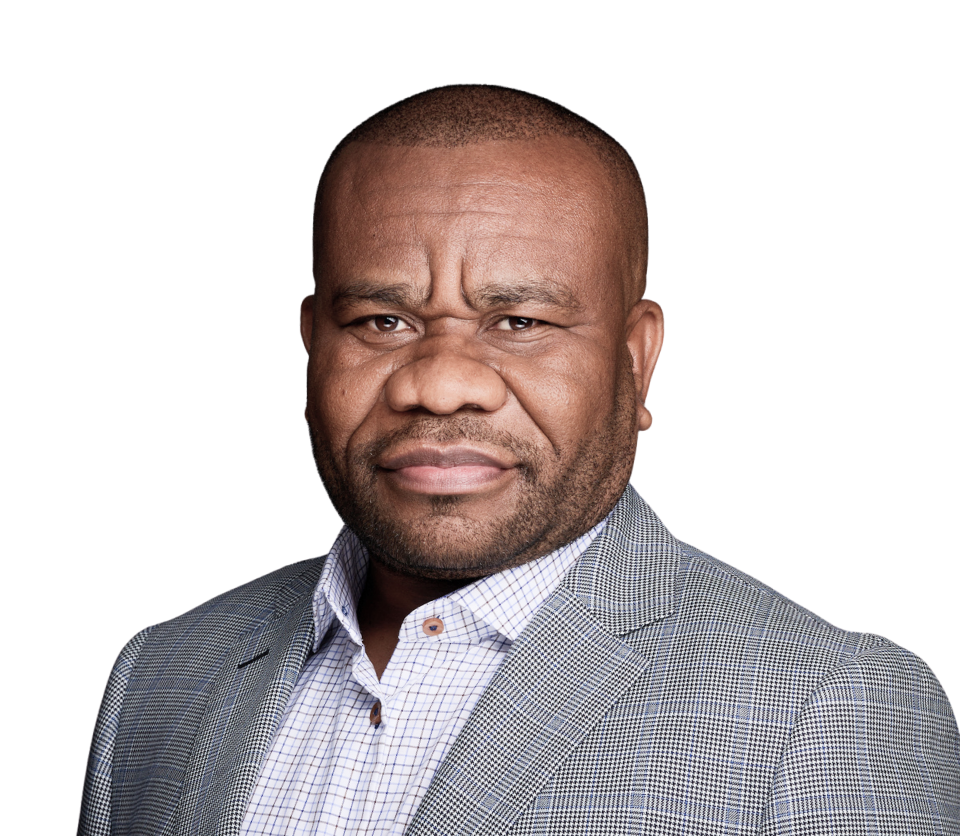

Ralph Abalo
Adjanou Perfusion Solution, Inc.
- Strengthening perfusionists’ understanding of sterilisation protocols and contamination risks
- Standardising sterile setup and handling techniques through targeted training and education
- Reducing surgical site infections through improved circuit management and aseptic practices
14:55 - 15:00
Q&A SESSION ON PERFUSION STERILISATION AND INFECTION CONTROL
15:00 - 15:20
AFTERNOON COFFEE BREAK IN THE EXHIBIT AREA
15:20 - 15:45
INNOVATIONS IN EtO ABATEMENT
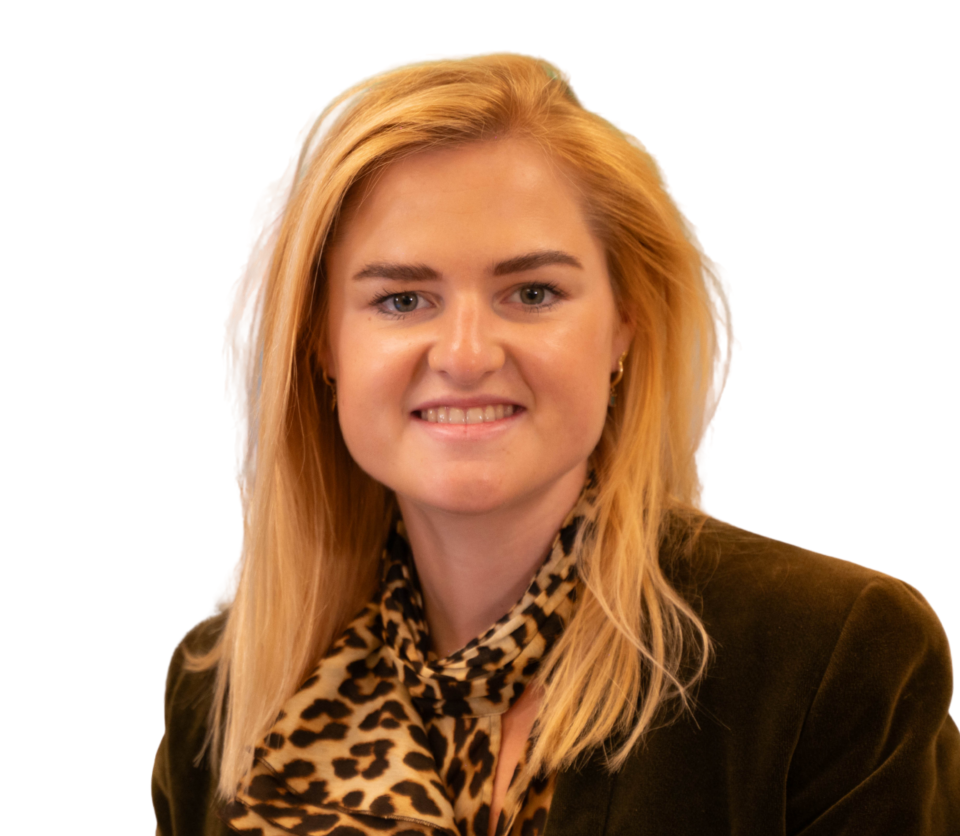

Margot Vandeputte
Trevi NV
- Introducing catalytic wet scrubbing systems that neutralise EtO emissions using water-based ambient-temperature processes
- Applying biological filtration methods to destroy low-concentration EtO streams in high-flow sterilisation exhaust air
- Deploying dry sorbent scrubbers with colour-change indicators for polishing EtO emissions and monitoring sorbent saturation
15:45 - 15:50
Q&A SESSION ON EtO EMISSIONS CONTROL TECHNOLOGIES
15:50 - 16:15
STERILISATION VALIDATION: THE IMPORTANCE OF A FULLY VALIDATED IFU


Enrico Allegra
Testlabs UK
- Exploring regulatory requirements for sterilisation validation under MDR and FDA
- Discussing standards, methods, and insights from regulatory submission experiences
- Reviewing common and emerging sterilisation methods, including low-temp H2O2
16:15 - 16:20
Q&A SESSION ON STERILISATION VALIDATION REQUIREMENTS
16:20 - 16:45
THE IMPORTANCE OF CYCLE DEVELOPMENT


Bobby Leigh
Bio Products Validation Ltd.
- Focusing on key areas of cycle development for porous loads that offer benefits for compliance, operational efficiency, and improved reliability and capacity
- Maintaining sterility assurance through efficient and reliable equipment performance, supported by well-designed loads and cycles
- Outlining the benefits of a robust development process in preventing patient safety risks and reducing costs, downtime, and resource burdens caused by inadequate cycle development
16:45 - 16:50
Q&A SESSION ON ROBUST CYCLE DEVELOPMENT AND STERILITY ASSURANCE
16:50 - 17:15
SELECTING THE OPTIMAL STERILISATION METHOD THROUGH RAPID PREDICTION OF LONG-TERM MATERIAL AGEING PROPERTIES


Nazli Ozdemir
Gulsine Ltd.
- Comparing how various sterilisation methods drive unique degradation pathways in polymers and device materials
- Predicting functional lifespan and failure risk using ageing physics and accelerated material modelling
- Applying A2P2 to select optimal sterilisation methods, minimise revalidation, and improve safety and shelf life
17:15 - 17:20
Q&A SESSION ON AGEING PREDICTION AND STERILISATION SELECTION STRATEGIES
17:20 - 18:20
NETWORKING DRINKS RECEPTION
DAY 2 :
TUESDAY, 30 JUNE 2026
08:00 - 08:30
MORNING REFRESHMENTS
08:30 - 08:40
OPENING ADDRESS
08:40 - 09:05
REPROCESSING REUSABLE MEDICAL DEVICES IN THE LAND DOWN UNDER: AUSTRALIA'S PERSPECTIVE, CHALLENGES, AND BEST PRACTICES
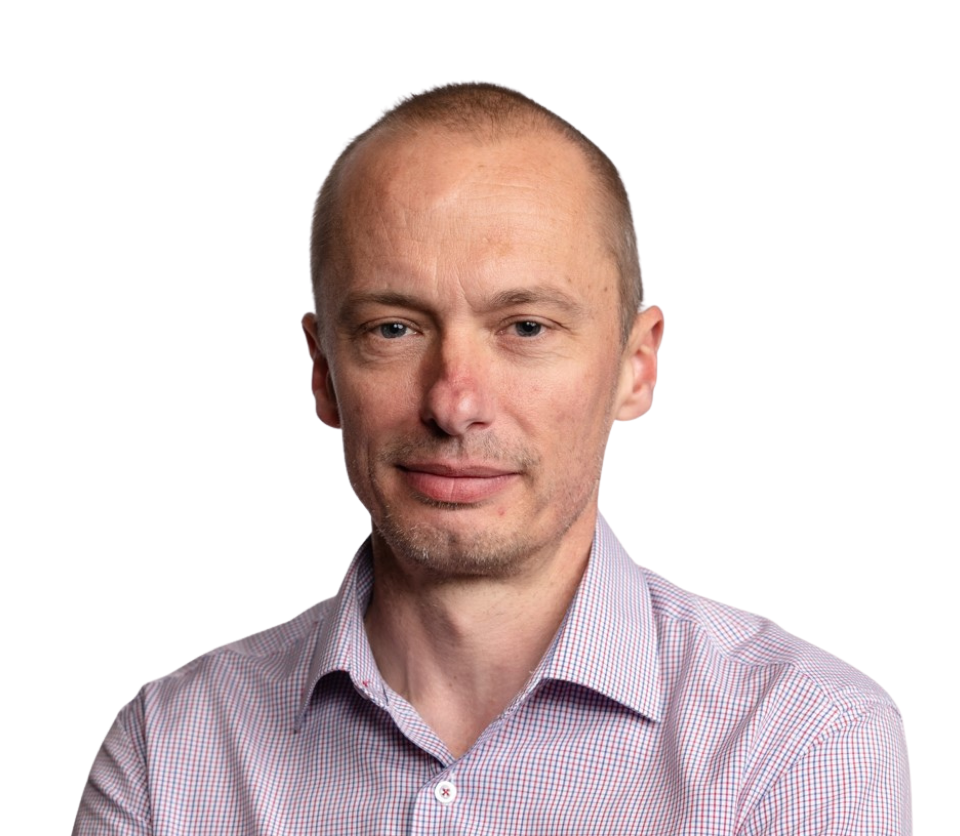

Darren Martin
Bendigo Health
- Comparing Australia's reprocessing landscape to Europe's across governance and regulatory domains
- Navigating challenges of national consistency, remote delivery, and fragmented health structures
- Prioritising sustainability through smarter water use, reduced waste, and reusable innovations
- Advancing reprocessing with automation, leadership focus, and infrastructure-driven quality
09:05 - 09:10
Q&A SESSION ON REPROCESSING SYSTEMS IN GEOGRAPHICALLY DIVERSE REGIONS
09:10 - 09:35
HIGH RELIABILITY ORGANISATION (HRO) IN THE STERILE PROCESSING DEPARTMENT


Kevin S Ta
Kaiser Permanente
- Translating HRO principles into daily SPD practice to prevent retained instruments and case delays
- Embedding preoccupation with failure into CSSD routines so that near misses surface before reaching the patient
- Empowering frontline technicians to halt the line and escalate concerns regardless of role hierarchy
09:35 - 09:40
Q&A SESSION ON BUILDING A HIGH RELIABILITY CULTURE IN STERILE PROCESSING
09:40 - 10:05
BEYOND THE SURFACE: A NEW STANDARD FOR CLEANING AUTOCLAVES, ULTRASONIC WASHERS, AND SURGICAL INSTRUMENTS
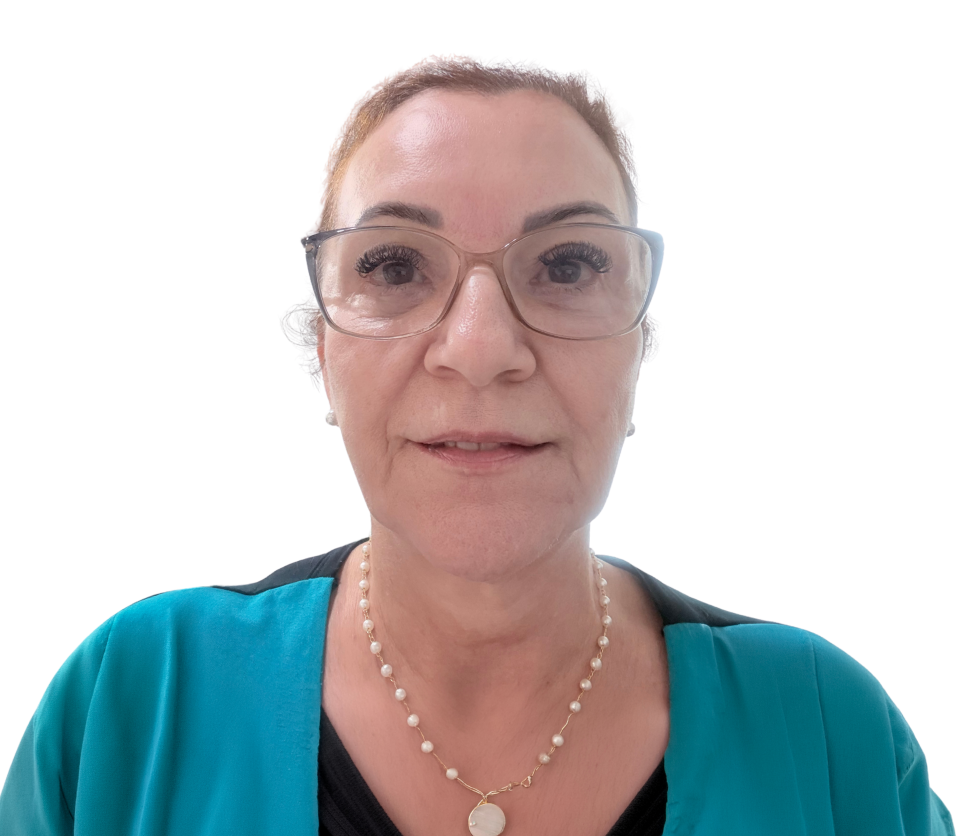

Regina Cicarelli
Cicarelli Instrumentos Cirúrgicos
- Advancing passivation practices by replacing nitric acid with citric acid to prevent corrosion and remove free iron
- Extending equipment lifespan by minimising pitting, staining, and chamber degradation in sterilisation systems
- Improving environmental safety and cost efficiency through biodegradable maintenance solutions that reduce downtime
10:05 - 10:10
Q&A SESSION ON SAFE AND SUSTAINABLE MAINTENANCE IN STERILISATION DEPARTMENTS
10:10 - 10:30
MORNING COFFEE BREAK IN THE EXHIBIT AREA
SPONSORED BY TREVI
10:30 - 10:55
CHLORINE DIOXIDE GAS STERILISATION AND MATERIAL IMPACTS


Emily Lorcheim
ClorDiSys Solutions
- Explaining how chlorine dioxide gas sterilises and how it differs from other common methods
- Outlining material compatibility findings and insights from recent technical studies
- Highlighting packaging types that work with ClO2 and results from collaborative testing
10:55 - 11:00
Q&A SESSION ON MATERIAL AND PACKAGING EFFECTS OF CLO2 STERILISATION
11:00 - 11:25
OPERATIONAL RISKS IN SURGICAL DEVICE MANAGEMENT: REPORTED MISSING INSTRUMENTS


Sharon Fox
University Hospitals Birmingham NHS Foundation Trust
- Addressing missing instrument reporting to strengthen patient safety assurance within surgical services
- Escalating and documenting missing instrument events through structured reporting pathways
- Ensuring compliance in the management and reporting of missing surgical instruments
11:25 - 11:30
Q&A SESSION ON MISSING INSTRUMENT REPORTING AND PATIENT SAFETY
11:30 - 11:55
THE USE OF LASER-BASED TECHNOLOGIES WITHIN THE STERILISATION SECTOR


Christopher Ogden
Laser Partners UK
- Examining research and case studies on safe laser marking of surgical instruments to enhance traceability without compromising material integrity
- Deploying laser cleaning technologies as chemical-free ecological solutions for effective autoclave and sterilisation chamber maintenance
- Optimising sustainability and equipment longevity through precision laser applications that reduce chemical dependency and environmental impact
11:55 - 12:00
Q&A SESSION ON LASER MARKING AND ECOLOGICAL CLEANING IN STERILISATION
12:00 - 13:00
NETWORKING LUNCH AND VISITING THE STERILISATION EXHIBITION
13:00 - 13:25
ARE DIFFERENT STERILISATION TECHNOLOGIES LEADING TO SIGNIFICANT CHANGES IN THE EXTRACTABLES PROFILE OF POLYMERS USED IN PHARMACEUTICAL PACKAGING OR IN MEDICAL DEVICES?


Frank De Smedt
DyFrNd
- Understanding core principles of extractables and leachables studies for packaging and devices
- Analysing the impact of sterilisation on the E&L profile of polymer-based materials
- Conducting post-sterilisation residual testing to evaluate compliance and material safety
13:25 - 13:30
Q&A SESSION ON E&L IMPACTS OF STERILISATION TECHNOLOGIES
13:30 - 13:55
INTERPRETING AND APPLYING THE A₀ CONCEPT IN THERMAL DISINFECTION OF ENDOSCOPE REPROCESSORS
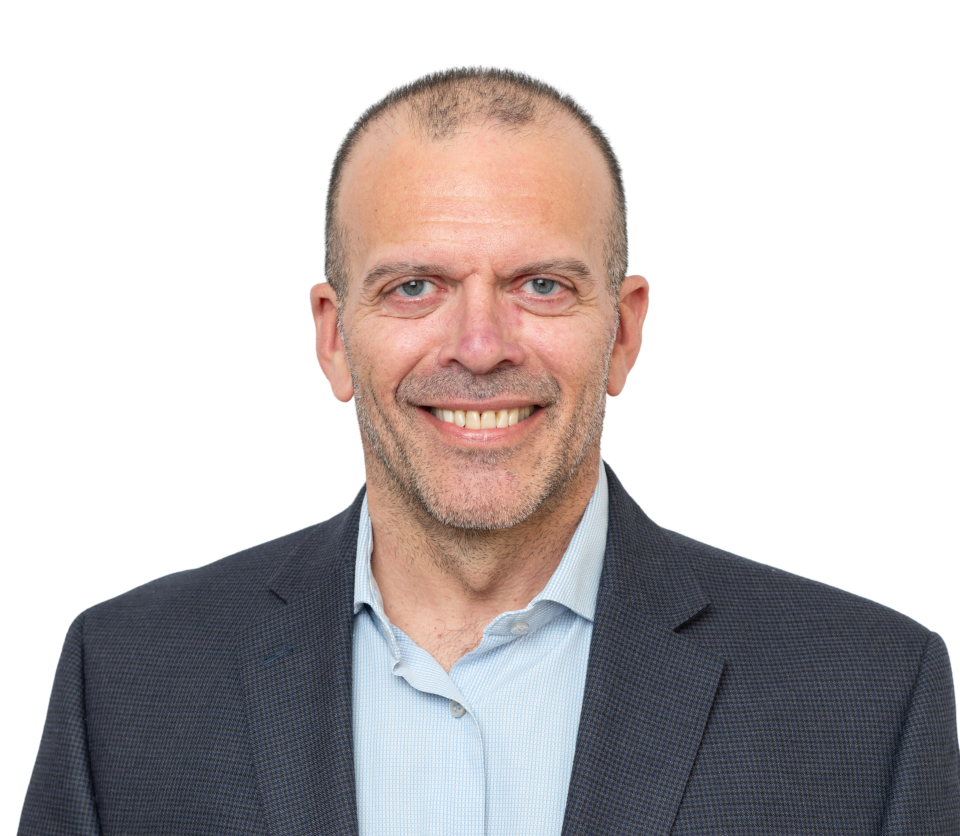

Daniel Parra
Endoval Ltd.
- Explaining the A₀ concept from EN ISO 15883 and its application in 80°C thermal disinfection cycles
- Calculating, monitoring, and verifying A₀ values in washer-disinfectors for flexible endoscopes
- Overcoming the technical challenges to ensure consistent and compliant thermal disinfection outcomes
13:55 - 14:00
Q&A SESSION ON A₀ APPLICATION AND THERMAL DISINFECTION STANDARDS
14:00 - 14:25
FROM TRACEABILITY TO INTELLIGENCE: HOW AI IS REDEFINING PATIENT SAFETY IN STERILE PROCESSING
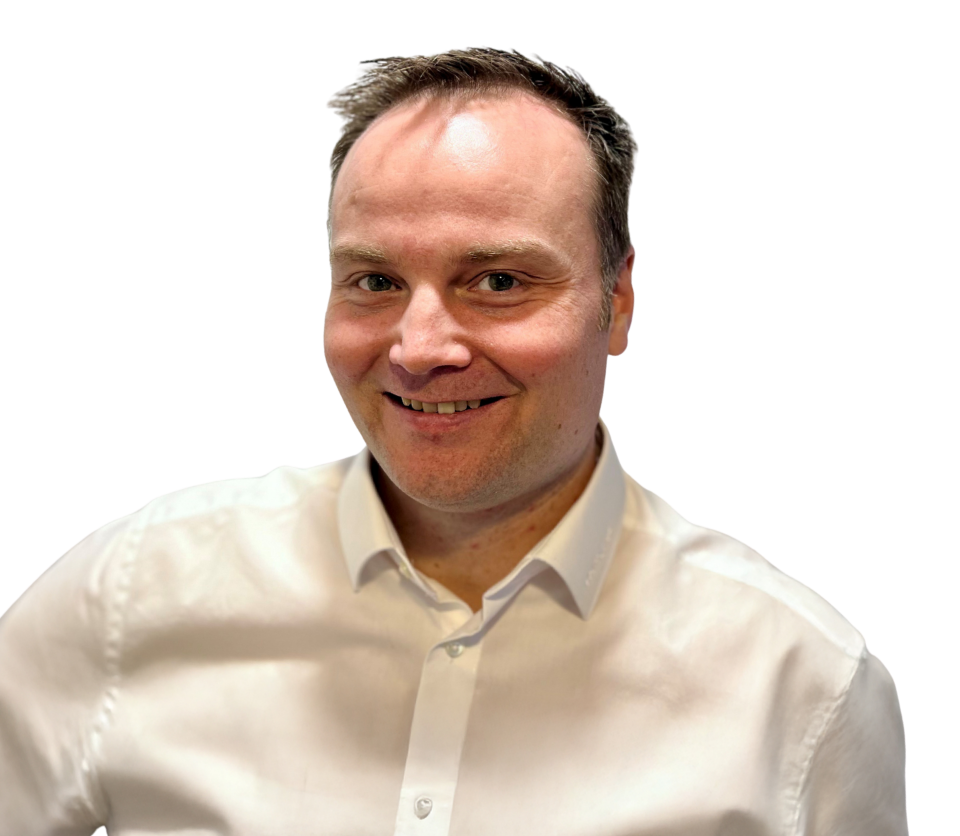

Erik Lindner
Nexus AG
- Transforming reactive documentation into predictive intelligence through AI-driven traceability systems
- Connecting OR and CSSD workflows in real time to strengthen accountability and sterilisation transparency
- Converting sterilisation outcomes into measurable, data-powered patient safety indicators
14:25 - 14:30
Q&A SESSION ON AI-ENABLED TRACEABILITY IN STERILE PROCESSING
14:30 - 14:45
FEEDBACK AND RAFFLE DRAW
14:45 - 15:00
CLOSING REMARKS
Become a Speaker & Join the Conversation
SUBSCRIBE FOR UPDATES
By submitting, you agree to receive email communications from the event organizers, including upcoming promotions and discounted tickets, news, and access to related events.